
Yapahuwa & Rajagala

Yapahuwa served briefly as the royal capital in the late 13th century, and its surviving ornamental staircase – carved with scrollwork and figure work of remarkable delicacy – is one of the finest examples of late Sinhalese architectural carving on the island. Rajagala, in the Eastern Province, is a forest monastery of a completely different […]
Kandy
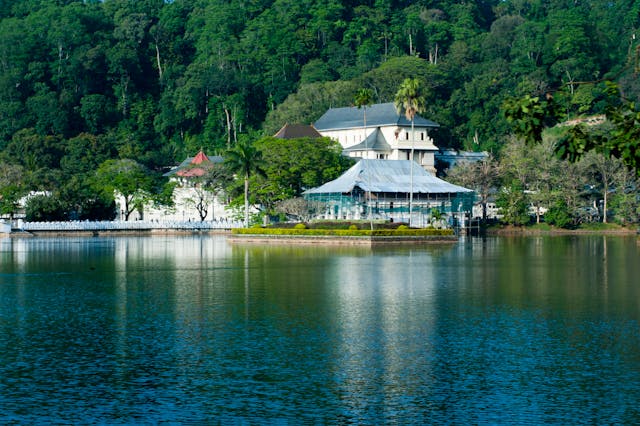
Sri Lanka’s last royal capital endured as the final independent Sinhalese kingdom because its highland geography and its cultural institutions made it genuinely difficult to dismantle. The Sri Dalada Maligawa’s three daily puja ceremonies – drumming filling the outer courts with a sound both martial and devotional – remain among the most moving ritual experiences […]
Polonnaruwa
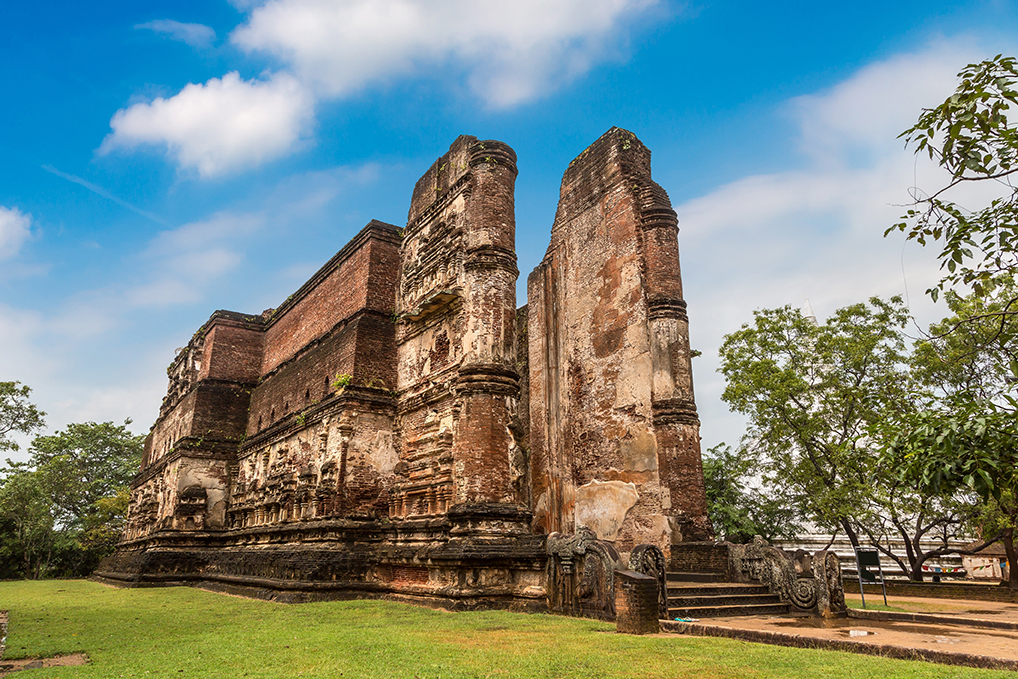
When the Sinhalese kings rebuilt their capital at Polonnaruwa in the 10th century CE, they produced some of the finest architecture and sculpture in Sri Lankan history alongside one of the ancient world’s great irrigation achievements. The Gal Vihara’s four colossal Buddha figures – carved from a single granite face with compositional mastery that reflects […]
Anuradhapura

Sri Lanka’s first great capital was simultaneously a royal seat, an agricultural engineering masterwork, and the most important centre of Theravada Buddhist scholarship in the ancient world for close to a thousand years. The Sri Maha Bodhi – grown from a cutting of the original Bodhi tree and tended without interruption since 288 BCE – […]
Sigiriya & Dambulla
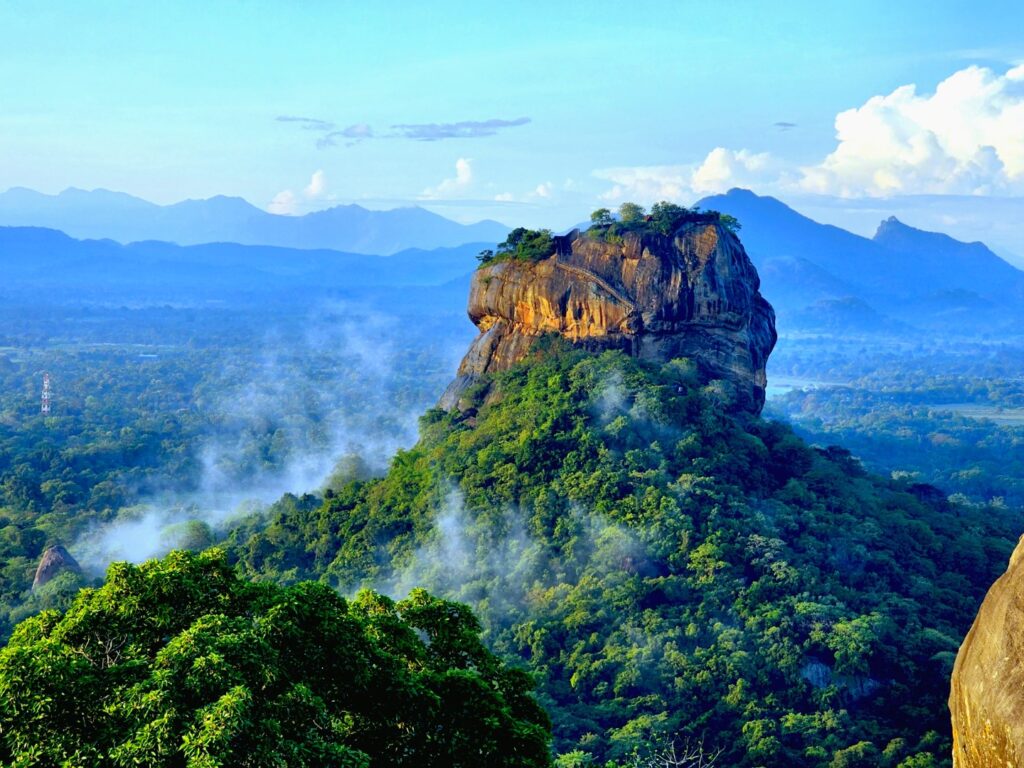
King Kashyapa’s 5th-century palace on a volcanic monolith is one of the most ambitious acts of royal world-building in the ancient world – formal water gardens, frescoed cliff faces, and a summit panorama across the Cultural Triangle plain all combined into a single extraordinary statement. Dambulla’s five granite caves tell a quieter but equally important […]